
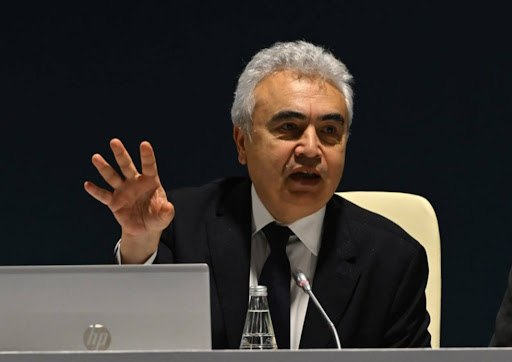
The International Energy Agency’s push for demand-side measures — including remote work, lower speed limits, and reduced air travel — is buying time for the global economy, but it is not solving the underlying energy crisis caused by the Iran war, according to IEA chief Fatih Birol. Speaking in Canberra, Birol was frank about the limits of what demand management can achieve in the face of losses equivalent to two oil crises and a major gas shock simultaneously. He called the measures necessary but insufficient.
Birol explained that the world entered 2026 with an oil surplus, but the conflict that began February 28 with US and Israeli strikes on Iran quickly reversed that situation. The closure of the Strait of Hormuz and widespread damage to Gulf energy infrastructure have removed 11 million barrels of oil per day and 140 billion cubic metres of gas from international supply. At least 40 Gulf energy facilities have suffered severe damage, complicating any timeline for supply recovery.
The IEA responded with its largest ever emergency reserve release — 400 million barrels of oil on March 11 — while recommending that governments promote energy-saving behavior among citizens and businesses. Birol said these steps would help reduce pressure on markets and ease economic pain, but they could not compensate for the scale of supply lost. The only genuine solution, he said, was reopening the Strait of Hormuz.
About 20 percent of global oil supply passes through the strait, which has been closed to commercial shipping following attacks on vessels. The Asia-Pacific region has been particularly badly affected, and Japan indicated it could contribute minesweeping operations if a ceasefire is achieved. European markets have also seen diesel and jet fuel supplies tighten, while increased North American output could provide partial relief.
Trump’s 48-hour deadline for Iran to reopen the strait expired without resolution, and Iran threatened retaliatory strikes on US and allied energy and water infrastructure. Birol warned that the IEA was monitoring the situation closely and stood ready to release further reserves if needed. His overarching message was clear: demand-side steps and reserve releases are necessary bridges — but the real destination must be a restored and secure Hormuz strait.